
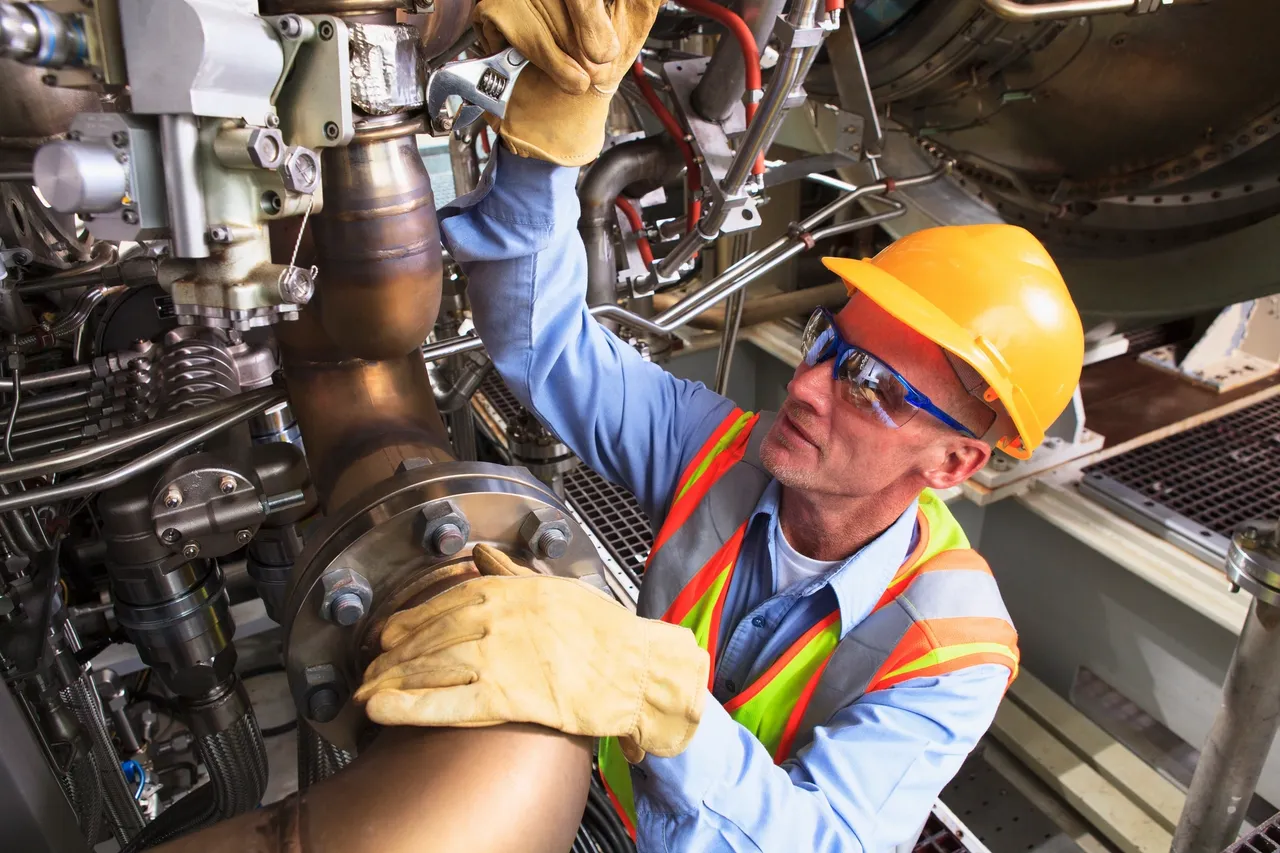
In the rapidly evolving landscape of manufacturing, machinists are poised to embrace new opportunities driven by technological advancements. Here’s a glimpse into the machinist jobs that will likely emerge in the near future.
- Digital Machinists: As the industry embraces Industry 4.0, machinists proficient in digital skills such as computer-aided design (CAD) and computer-aided manufacturing (CAM) will be in high demand. Digital machinists will play a crucial role in programming and operating advanced CNC machines, ensuring precision and efficiency in production processes.
- Additive Manufacturing Specialists: With the rise of 3D printing, machinists specializing in additive manufacturing will find themselves at the forefront of innovation. These professionals will be adept at using cutting-edge technologies to create intricate components and prototypes, revolutionizing the traditional manufacturing approach.
- Automation Integrators: As automation becomes more prevalent in manufacturing, machinists who can seamlessly integrate and optimize automated systems will be indispensable. These experts will work on configuring, maintaining, and troubleshooting robotic systems, enhancing overall production efficiency.
- Data Analyst Machinists: The influx of data from connected machines presents an opportunity for machinists with strong analytical skills. Data analyst machinists will leverage data-driven insights to optimize machining processes, reduce downtime, and enhance overall productivity.
- Cybersecurity Machinists: With the increased connectivity of industrial systems, there’s a growing need for machinists well-versed in cybersecurity. Protecting manufacturing equipment from cyber threats will be a critical responsibility, making cybersecurity machinists an essential part of the future workforce.
- Green Machinists: Sustainability is a key focus in modern manufacturing. Machinists with expertise in eco-friendly practices and materials will be in demand to develop and implement environmentally conscious manufacturing processes, contributing to a greener industry.
- Human-Machine Collaboration Specialists: As collaborative robots (cobots) become more prevalent, machinists skilled in working alongside these machines will be essential. These specialists will ensure seamless interaction between human workers and cobots, optimizing efficiency and safety.
The future of machinist jobs is intertwined with technological advancements, requiring a blend of traditional machining skills and a keen understanding of digital technologies. Embracing these emerging roles will position machinists as key contributors to the next phase of industrial evolution.