
In our pursuit of a more sustainable and cost-effective lifestyle, one often overlooked area is water consumption. As responsible homeowners, making a few mindful changes can lead to substantial savings on your water bill while contributing to environmental conservation. Here are some practical tips to help you achieve both goals.
1. Fix Leaks Promptly:
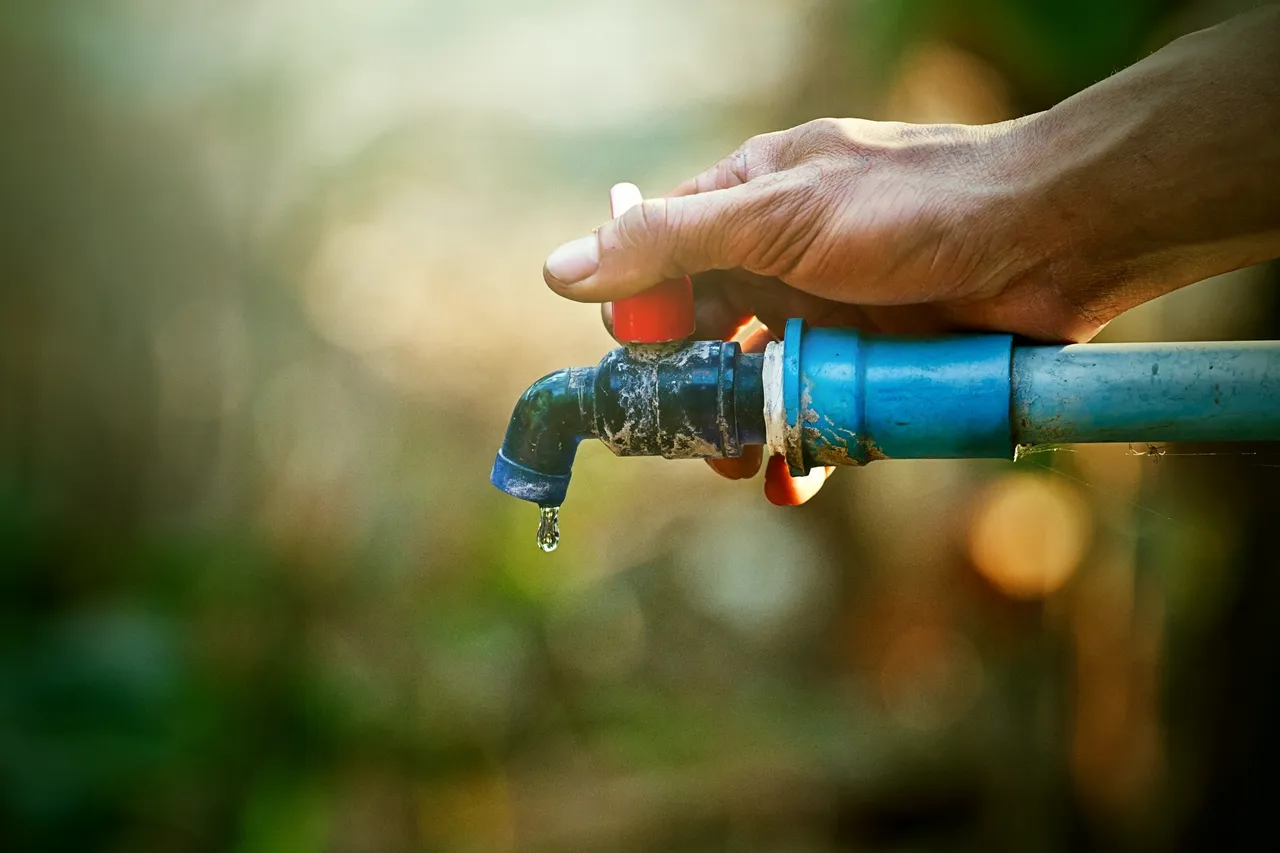
Leaky faucets and running toilets may seem minor, but they can contribute significantly to water wastage over time. A quick fix not only saves water but also prevents your hard-earned money from going down the drain.
2. Upgrade to Water-Efficient Appliances:
Consider replacing older appliances, such as washing machines and dishwashers, with newer, water-efficient models. These appliances are designed to use less water without compromising on performance, offering long-term savings.
3. Collect Rainwater:
Take advantage of nature’s bounty by setting up a rain barrel to collect rainwater. This harvested water can be used for watering plants or even flushing toilets, reducing your reliance on the municipal water supply.
4. Adjust Lawn Irrigation Practices:
Be mindful of your garden’s water needs and adjust your irrigation schedule accordingly. Watering during the early morning or late evening prevents unnecessary evaporation, ensuring that the water reaches plant roots where it’s needed most.
5. Install Faucet Aerators:
Faucet aerators are affordable, easy-to-install devices that mix air with water, reducing the overall flow without compromising water pressure. This simple addition can lead to significant water savings, especially in areas like the kitchen and bathroom.
6. Practice Water-Efficient Habits:
Encourage family members to adopt water-conscious habits, such as turning off the tap while brushing teeth, taking shorter showers, and only running the dishwasher or washing machine when there’s a full load.
7. Insulate Hot Water Pipes:
Insulating hot water pipes minimizes heat loss, allowing you to receive hot water faster and reducing the need to run the tap while waiting for it to heat up. This not only conserves water but also lowers energy costs associated with water heating.
8. Consider Drought-Tolerant Landscaping:
Opt for plants that thrive in your region’s climate without excessive watering. Drought-tolerant landscaping not only reduces water usage but also adds a touch of sustainability and natural beauty to your outdoor space.
By incorporating these simple tips into your daily routine, you not only contribute to water conservation efforts but also witness a positive impact on your monthly water bill. Small changes can lead to significant savings, benefiting both your pocket and the planet.