
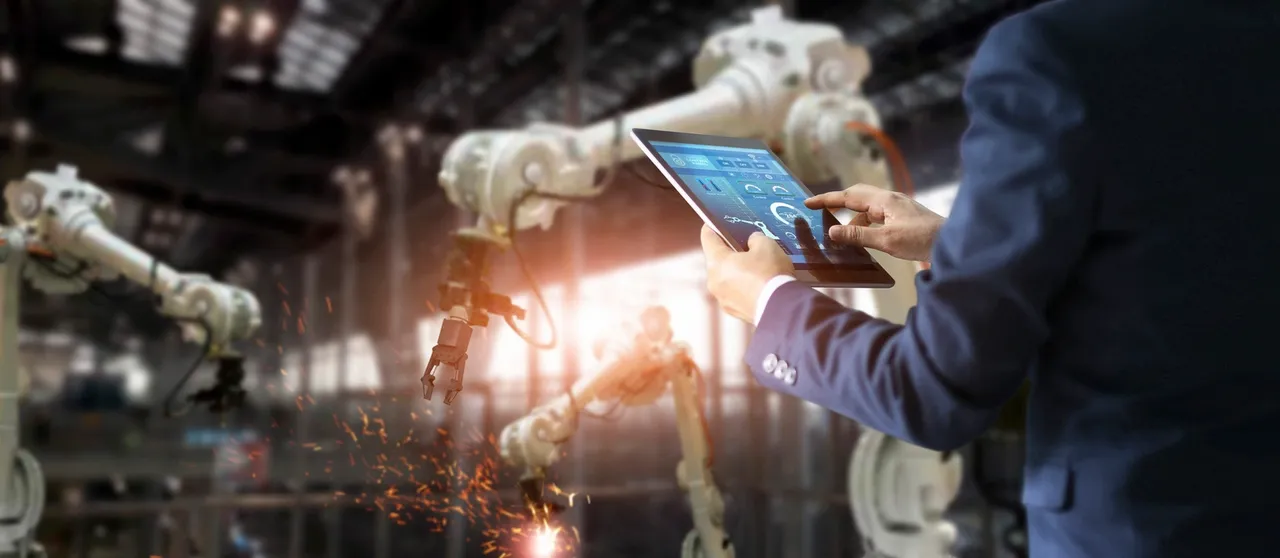
As AI continues to advance, there’s growing speculation about its potential to automate various professions. However, certain trades rely heavily on the human touch, making them less susceptible to AI disruption. Let’s explore some of these trades and why they are likely to remain firmly in human hands.
1. Plumbing: Navigating Complexities with Precision
Plumbing is a trade that demands adaptability and problem-solving skills, making it resistant to automation. From diagnosing intricate pipe systems to troubleshooting leaks and blockages, plumbers rely on their expertise and intuition to tackle diverse challenges. While AI may assist with basic tasks like scheduling and inventory management, the hands-on nature of plumbing requires human ingenuity and dexterity to ensure efficient and effective solutions.
2. Carpentry: Crafting Artistry Beyond Algorithms
Carpentry is as much an art form as it is a trade, with craftsmen transforming raw materials into bespoke creations. From intricate woodworking to structural framing, carpenters bring a level of creativity and craftsmanship that surpasses the capabilities of AI. While technology can aid in design and precision cutting, the tactile nature of carpentry and the need for customization ensure that skilled artisans will always play a vital role in this trade.
3. Electrician: Safeguarding Systems with Expertise
The role of an electrician involves more than just connecting wires; it requires a deep understanding of electrical systems and a keen eye for safety. Electricians are tasked with installing, repairing, and maintaining complex electrical infrastructure, often in high-risk environments. While AI may assist with diagnostics and monitoring, the intricate nature of electrical work and the importance of human judgment in ensuring safety make electricians indispensable in this field.
4. HVAC Technician: Balancing Comfort and Efficiency
Heating, ventilation, and air conditioning (HVAC) systems are integral to maintaining indoor comfort and air quality, requiring specialized knowledge and skills to install and maintain. HVAC technicians must navigate a variety of factors, including building layout, climate considerations, and energy efficiency requirements, to deliver optimal solutions. While AI-driven smart thermostats and monitoring systems may enhance efficiency, the hands-on expertise of HVAC technicians remains crucial in diagnosing issues and providing tailored solutions.
5. Welding: Fusion of Skill and Precision
Welding is a trade that demands precision, skill, and creativity, as welders fuse metal components to create structures and products. While robotic welding systems exist, they lack the versatility and adaptability of human welders when it comes to complex or unconventional projects. Welders possess an intuitive understanding of materials and techniques, allowing them to produce high-quality welds that meet stringent standards. The artistry and expertise of human welders ensure their continued relevance in a variety of industries, from construction to manufacturing.
Embracing the Irreplaceable
While AI has the potential to revolutionize various industries, there are certain trades where the human touch remains irreplaceable. Plumbing, carpentry, electrical work, HVAC, and welding are just a few examples of trades that rely on human expertise, intuition, and creativity to deliver exceptional results. As technology continues to evolve, these skilled trades will continue to thrive, driven by the unique capabilities and ingenuity of craftsmen and technicians around the world.